Mostrando entradas con la etiqueta Ezra Pound. Mostrar todas las entradas

lunes, 7 de julio de 2014

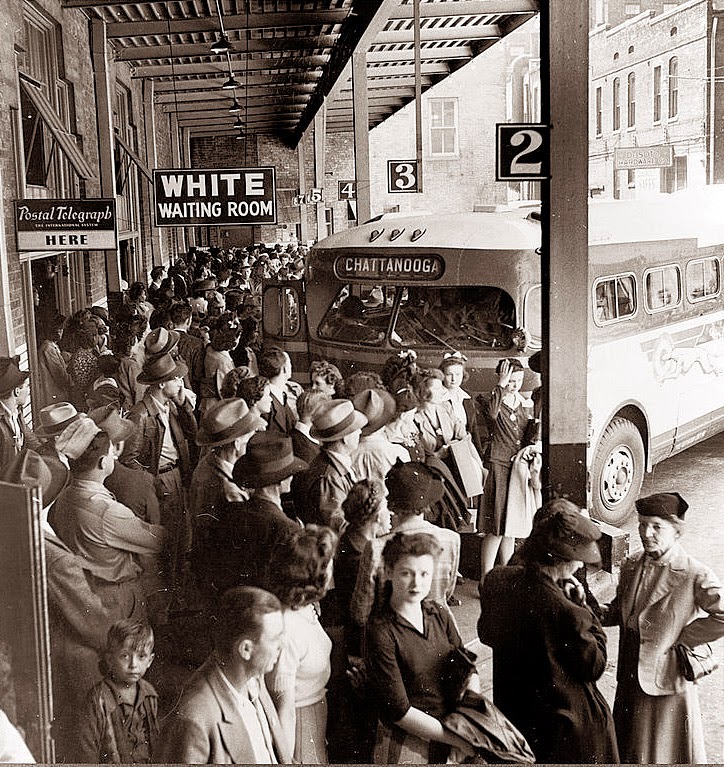
Fisiognómica

The apparition of these faces, etc.
E.P.


En la estación las caras, avergonzadas de parecerse a sí mismas, te querían recordar, y, como que se hubieran apercibido de que te estuvieran debiendo algún recuerdo, hacían entonces y por un instante un empeñoso y meritorio esfuerzo por parecerse a ti, o a esa tu frente y a tu ceja fina y tu párpado dulce y...no lo conseguían del todo.


Pero, pese a la imposibilidad, se les agradecía igualmente la molestia, ese obstinado esfuerzo que antes solía aplicar el caballero rumboso y adinerado cuando, paseante, se encontraba frente a los mendigos del muñón: una particular torsión significativa y momentánea del gesto hacia alguna de las variantes o figuras de entre las consideradas de La Piedad.


sábado, 25 de junio de 2011

Ezra Pound. XVII de Los Cantares


XVII


Así que las vides brotan de mis dedos,
Y las abejas cargadas de polen
se mueven pesadas entre los pámpanos
       chirr-chirr-chirr-rikk- ronroneo
y los pájaros soñolientos entre las ramas.
                        ¡ZAGREUS! ¡IO ZAGREUS!
Con la primera claridad del cielo
y las ciudades engastadas en sus colinas,
y la diosa de bellas rodillas
que ahí se mueve, con los robledales detrás,
la verde ladera, con los lebreles blancos
                        que saltan a su lado;
y más allá la foz, hasta el atardecer,
aguas plácidas ante mí,
                        y los árboles que surgen del agua,
troncos de mármol salidos de la quietud,
al otro lado los palazzi,
                        en la quietud,
la luz ahora no es la del sol.
                        Crisoprasa,
y el agua verde clara, azul clara;
Más allá, los grandes cantiles de ámbar.
                        Entre ellos,
Cueva de Nerea,
                        ella como una gran concha curva,
y la barca se desliza en silencio,
sin olores a brea,
ni chillido de aves, ni sonido de oleaje,
dentro de la cueva, Nerea,
                        ella como gran concha curva
en la suavidad de la roca,
                        cantil gris verdoso a lo lejos,
cerca, los cantiles, como puertas de ámbar,
y la ola
                        verde claro, y azul claro,
y la cueva blanca como la sal, su brillo púrpura,
                        fresca, con la  suavidad del pórfido,
                        la roca gastada por el mar.
Ningún chillido de gaviota, ni sonido de marsopas,
arena como de malaquita, ni hace frío,
                        la luz no es la del sol.


Zagreo alimenta sus panteras,
                        claros prados como sobre colinas iluminadas.
Y bajo los almendros, dioses,
                        con ellos choros nympharum. Dioses,
Hermes y Atenea,
                        como aguja de brújula,
Entre ellos, temblando-
a la izquierda está el lugar de los faunos,
                        sylva nympharum;
setos, arbustos,
la cierva, el cervato moteado
saltan entre retamas
como la hoja seca entre amarillas.
Y hacia una nava en las colinas,
                        la gran avenida de los Memnones.
Más allá, el mar, crestas de olas atisbadas entre dunas,
mar nocturno que agita las piedras,
a la izquierda, la avenida de los cipreses.
                        Una barca arribó,
un hombre le sostenía la vela,
la guiaba con los remos recogidos, decía:
                        "Ahí, en el bosque de mármol,
                        "los árboles de piedra, surgidos del agua,
                        "las pérgolas de piedra,
                        "una hoja de mármol sobre otra,
                        "plata, acero sobre acero,
                        "picos de plata se alzan y cruzan,
                        "proa dispuesta frente a proa,
                        " piedra, capa sobre capa,
                        "las vigas doradas relumbran al atardecer"
Borso, Carmagnola, hombres de talento, i vitrei,
por allá, cierta ocasión, vez tras vez,
y brillan las aguas más que el cristal,
oro broncíneo, fulgor sobre la plata,
vasos de tinte en la luz de la antorcha,
bajo las proas resplandece la ola,
y los picos de plata se alzan y cruzan.
            El blanco, rosa pálido de los árboles de piedra en la oscuridad,
cipreses allí junto a las torres,
            a la deriva, bajo la amura, por la noche.

            "En la oscuridad el oro
            absorbe la luz cercana..."
Ahora supino en el cubil, bajo cúpula de ramas,
un ojo hacia el mar, por aquel atisbadero,
luz gris, con Atenea.
Zothar y sus elefantes, con la tanga de oro,
el sistro, se agita y se agita,
            las cohortes de sus bailarinas.
Y Aletha, donde tuerce la playa,
            los ojos hacia el mar,
            y en sus manos las algas,
brillo de la sal en su espuma.
Koré cruza el prado luminoso,
            polvo gris verdoso en la hierba:
"Sólo en esta hora hermana de Circe".
Vi el sol tres días, el sol fúlgido,
como alzada de león sobre llano de arena;
                                   y aquel día,
fueron tres días, y ninguno más,
esplendor, como el esplendor de Hermes,
y embarcado de allí
                                   al lugar de piedra,
blanco pálido, sobre el agua,
                                   aguas conocidas,
y el blanco bosque de mármol, las ramas inclinadas unas sobre otras,
la entretejida pérgola de piedra,
hacia allí Borso, cuando le dispararon la flecha dentada,
y Carmagnola, entre las dos columnas,
Segismundo, tras el naufragio en Dalmacia,
            puesta de sol como el saltamontes cuando vuela.
__________________


So that the vines burst from my fingers
And the bees weighted with pollen
Move heavily in the vine-shoots:
   chirr - chirr - chir-rikk - a purring sound,
And the birds sleepily in the branches.
     ZAGREUS! IO ZAGREUS!
With the firt pale-clear of the heaven
And the cities set in their hills,
And the goddess of the fair knees
Moving there, with the oak-wood behind her,
The green slope, with white hounds
                     leaping about her;
And thence down to the creek's mouth, until evening,
Flat water before me,
                 and the trees growing in water,
Marble trunks out of stillness,
On past the palazzi,
               in the stillness,
The light now, not of the sun.
                Chrysoprase,
And the water green clear, and blue clear;
On to the great cliffs of amber.
                   Between them,
Cave of Nerea,
         she like a great shell curved,
And the boat drawn without sound,
Without odour of ship-work,
Nor bird-cry, nor any noise of wave moving,
Nor splash of porpoise, nor any noise of wave moving,
Within her cave, Nerea
                                      she like a great shell curved
In the suavity of the rock
                                       cliff green-gray in the far,
In the near, the gate-cliffs of amber,
And the wave
                                  green clear, and blue clear,
And the cave salt-white, and glare-purple,
                              cool, porphyry smooth,
                              the rock sea-worn.
No gull-cry, no sound of porpoise,
Sand as of malachite, and no cold there,
                       the light not of the sun.

Zagreus, feeding his panthers,
                         the turf clear as on hills under light.
And under the almond-trees, gods,
                           with them, choros nympharum.
Gods, Hermes and Athene,
                           As shaft of compass,
Between them, trembled--
To the left is the place of fauns,
                            sylva nympharum;
The low wood, moor-scrub,
                 the doe, the young spotted deer,
                 leap up through the broom-plants,
                            as dry leaf amid yellow.
And by one cut of the hills,
                    the great alley of Memnons.
Beyond, sea, crests seen over dune
Night sea churning shingle,
To the left, the alley of cypress.
                                                     A boat came, 
One man holding her sail,
Guiding her with oar caught over gunwale, saying:
"             There, in the forest of marble,
"              the stone trees-out of water-
"              the arbours of stone-
"              marble leaf, over leaf,
"              Silver, steel over steel,
"              silver beaks rising and crossing,
"              prow set against prow,
"              stone, ply over ply,
"              the gilt beams fiare of an evening."
Borso, Carmagnola, the men of craft, i vitrei,
Thither, at one time, time after time,
And the waters richer than glass,
Bronze gold, the blaze over the silver,
Dye-pots in the torch-light,
The flash of wave under prows,
And the silver beaks rising and crossing.
                Stone trees, white and rose-white in the darkness,
Cypress there by the towers,
                Drift under hulls in the night.

"In the gloom the gold
Gathers the light about it."...

Now supine in burrow, half over-arched bramble,
One eye for the sea, through that peek-hole,
Gray light, with Athene.
Zothar and her elephants, the gold loin-cloth,
The sistrum, shaken, shaken,
                 The cohorts of her dancers.
And Alethe, by bend of the shore,
                 with her eyes seaward,
              and in her hands sea-wrack
Salt-bright with the foam.
Koré through the bright meadow,
                      with green-gray dust in the grass: 
"For this hour, brother of Circe"
Arm laid over my shoulder,
Saw the sun for three days, the sun fulvid,
As a lion lift over sand-plain;
                                                and that day,
And for three days, and none after,
Splendour, as the splendour of Hermes,
And shipped thence
                                     to the stone place,
Pale white, over water,
                                      known water,
And the white forest of marble, bent bough over bough,
The pleached arbour of stone,
Thither Borso, when they shot the barbed arrow at him,
And Carmagnola, between the two columns,
Sigismundo, after that wreck in Dalmatia.
Sunset like the grasshopper flying.

Ezra Pound The Cantos, Faber & Faber, Londres, 1975, pp. 76-79. 
 

lunes, 4 de abril de 2011

Francesca


FRANCESCA

Salías de la noche
y había flores en tus manos.
Saldrás ahora de entre las gentes,
de un torbellino de cháchara a tu costa.

Yo, que te he visto entre los elementos,
me disgusté cuando usaron tu nombre
en ambientes vulgares. 

Olas frescas me bañaran la mente,
y
se arrugara el mundo como una hoja,
o como a la simiente de vilano que arrebata el viento
para poderte así encontrar de nuevo
sola.

____________________
FRANCESCA
You came in out of the night
And there were flowers in your hands,
Now you will come out of a confusion of people,
Out of a turmoil of speech about you.

I who have seen you amid the primal things
Was angry when they spoke your name
In ordinary places.
I would that the cool waves might flow over my mind,
And that the world should dry as a dead leaf,
Or as a dandelion seed-pod and be swept away,
So that I might find you again,
Alone.


Ezra Pound, Exultations (1909). En
EP, Poems & Translations, edited by Richard Sieburth, The Library of America, Nueva York, 2003, pág. 117.

miércoles, 23 de marzo de 2011

Diosa


PROSERPINA
(PER UN QUADRO)

LUNGI è la luce che in sù questo muro
Rifrange appena, un breve istante scorta
Del rio palazzo alla soprana porta.
Lungi quei fiori d'Enna, O lido oscuro,
Dal frutto tuo fatal che omai m'è duro.
Lungi quel cielo dal tartareo manto
Che quì mi cuopre: e lungì ahi lungi ahi quanto
Le notti che saran dai dì che furo.
Lungi da me mi sento; e ognor sognando

Cerco e ricerco, e resto ascoltatrice;
E qualche cuore a qualche anima dice,
(Di cui mi giunge il suon da quando in quando.
Continuamente insieme sospirando,)—
“Oimè per te, Proserpina infelice!”


PROSERPINA
(For a Picture)

AFAR away the light that brings cold cheer
Unto this wall,—one instant and no more
Admitted at my distant palace-door.
Afar the flowers of Enna from this drear
Dire fruit, which, tasted once, must thrall me here.
Afar those skies from this Tartarean grey
That chills me: and afar, how far away,
The nights that shall be from the days that were.
Afar from mine own self I seem, and wing

Strange ways in thought, and listen for a sign:
And still some heart unto some soul doth pine,
(Whose sounds mine inner sense is fain to bring,
Continually together murmuring,)—
“Woe's me for thee, unhappy Proserpine!”


Dante Gabriel Rossetti (1874).
__________


APPARUIT


Dorada apareció la casa, y en el atrio tú,
un prodigio esculpido en materia sutil,
portento. Apagábase la vida en la lámpara
parpadeando de asombro.


Inclinadas del rocío y la escarcha, las rosas bermejas
te alejan hacia el sol, encanto que arrastra, y
de tal fuente bebías el aire, la vida de la tierra,
toda en el oro amparada.

En los verdes caminos, en los campos, tú alientas,
la tierra entera se abre, aunque la férrea ruta
evitaras oscura y el aire temblando
se dividía a tu paso.

Con resuelto denuedo, en la concha de oro, des-
nudabas del manto tu cuerpo, erguida
alzábaste, y lucía tu ajimez y la luz deslumbrada
se disolvía a tu lado.

Con medio hombro esculpido, la garganta fulgura en
las hebras de una luz que la entrelaza, alabastro
precioso, la suprema delicia, ay,
tan rápido ausente.

De hilo de oro vestida, delicadeza perfecta,
¡te vas como el viento! ¡De manos mágicas la tela!
Y tú, tan poca cosa, tú que postulas el arte,
¿asumir esto te atreves?


Apparuit

Golden rose the house, in the portal I saw
thee, a marvel, carven in subtle stuff, a
portent. Life died down in the lamp and flickered,
caught at the wonder.

Crimson, frosty with dew, the roses bend where
thou afar, moving in the glamorous sun,
drinkst in life of earth, of the air, the tissue
golden about thee.

Green the ways, the breath of the fields is thine there,
open lies the land, yet the steely going
darkly hast thou dared and the dreaded aether
parted before thee.

Swift at courage thou in the shell of gold, casting
a-loose the cloak of the body, camest
straight, then shone thine oriel and the stunned light
faded about thee.

Half the graven shoulder, the throat aflash with
strands of light inwoven about it, loveliest
of all things, frail alabaster, ah me!
swift in departing.

Clothed in goldish weft, delicately perfect,
gone as wind ! The cloth of the magical hands!
Thou a slight thing, thou in access of cunning
dar'dst to assume this?


EL ÁRBOL

Me quedé quieto y fui árbol entre árboles,
y supe la verdad de cosas antes nunca vistas;
de Dafne y el arco de laurel
y de aquella pareja de ancianos gratos al dios
que se volvieron olmos en el páramo.
Y no fue hasta que los dioses hubieron sido
fervorosamente invocados y atraídos
hasta el más ardiente rescoldo de sus corazones
cuando en ellos se cumpliera tal milagro.
Yo he sido árbol entre árboles
y entendido tantas cosas nuevas
que para mi mente fueran antes la locura.

A Lume Spento (1908)


N.Y.

¡Ciudad mía, mi amada, blanca mía! ¡Ah, esbelta,
escucha! ¡Escúchame, y con el aliento te infundiré un alma.
¡Delicadamente sobre la flauta, ¡atiéndeme!

Ahora sé que estoy loco,
pues aquí hay un millón de irritados por el tráfico;
esta no es  doncella alguna.
Ni podría tocar yo flauta ninguna aunque la tuviera.

Mi ciudad, mi amada,
eres una doncella sin pechos,
eres esbelta como la flauta de plata.
¡Escúchame, atiéndeme!
Y con el aliento te daré un alma, y vivirás para siempre.

Ripostes (1912)


The Tree

I stood still and was a tree amid the wood,
Knowing the truth of things unseen before;
Of Daphne and the laurel bow
And that god-feasting couple old
that grew elm-oak amid the wold.
'Twas not until the gods had been
Kindly entreated, and been brought within
Unto the hearth of their heart's home
That they might do this wonder thing;
Nathless I have been a tree amid the wood
And many a new thing understood
That was rank folly to my head before.


NY

MY City, my beloved, my white!   
Ah, slender,   
Listen! Listen to me, and I will breathe into thee a soul.   
Delicately upon the reed, attend me!

  
Now do I know that I am mad,           
For here are a million people surly with traffic;   
This is no maid.   
Neither could I play upon any reed if I had one.   


My city, my beloved,   
Thou art a maid with no breasts,          
Thou art slender as a silver reed.   
Listen to me, attend me!   
And I will breathe into thee a soul.   
And thou shalt live for ever.


Ezra Pound, A Lume Spento (1908), Ripostes (1912), en EP, Poems & Translations, edited by Richard Sieburth, The Library of America, Nueva York, 2003, pp. 231-232, 14, 234-235.


(...) «Aquel sentimiento era convocado de manera mucho más poderosa por los árboles que por la más sobrenatural de mis flores; su intensidad variaba de acuerdo con la época, el lugar y el aspecto del árbol o de los árboles en cuestión y siempre me afectaba más en las noches de luna. Con frecuencia, después de empezar a experimentarlo de forma consciente, yo mismo salía a su encuentro, solía escapar a hurtadillas de la casa, solo, las noches de luna llena y me quedaba inmóvil en silencio, cerca de algún grupo de grandes árboles, mirando el fo­llaje oscuro que bañaba la luz de la luna; en esas ocasio­nes, la sensación de misterio crecía hasta que el placer se trocaba en temor y aumentaba hasta hacerse inaguanta­ble y tenía que huir apresuradamente para recobrar el sentido de la realidad y de la seguridad dentro de casa, donde había luz y otras personas. Sin embargo, a la no­che siguiente volvía a escaparme de casa y acudía al lugar donde el efecto era más poderoso, entre las grandes fal­sas acacias que daban a nuestra casa el nombre de Las Acacias. El follaje plumoso y poco tupido tenía un as­pecto canoso a la luz de la luna y eso hacía que aquellos árboles parecieran más vivos que los demás, más cons­cientes de mi presencia y más vigilantes.»

W.H. Hudson, Far Away and Long Ago (1918), Allá lejos y hace tiempo, traducción de Miguel Temprano García, El Acantilado, Barcelona, 2003, pág. 229. 


Dylan Thomas 
(1914-1953)

EN TAN BUENA NOCHE...
 
En tan buena noche no entres sumiso,
y, tal como los viejos odian el fin del día,
abomina siempre la muerte de la luz.


Si, ya acabados, los sensatos saben aceptar su tiniebla,
 como no les bastara la palabra para romper el rayo
 en tan buena noche no entran sumisos.

Buenos los que, en su aliento último, lloren el brillo
que a sus hechos en la verde nava les prestara la danza:
abominan siempre la muerte de la luz.

Quienes, salvajes, recibieran el vuelo del sol cantando
entenderán, ya tarde, que le sentían en su caída y
 en tan buena noche no entran sumisos.

Los que, al morir, severos contemplen la visión cegadora
que a ojos inútiles pudiera encender en estelar contento
abominan siempre la muerte de la luz.

Y usted, padre, ahí en su triste altozano,
bendiga o maldígame con lágrimas de furia, se lo ruego.
  En tan buena noche no entres sumiso.
  Abomina siempre la muerte de la luz.


_______________________
 

Do not go gentle into that good night,
Old age should burn and rave at close of day;
Rage, rage against the dying of the light.

Though wise men at their end know dark is right,
Because their words had forked no lightning they
Do not go gentle into that good night.

Good men, the last wave by, crying how bright
Their frail deeds might have danced in a green bay,
Rage, rage against the dying of the light.

Wild men who caught and sang the sun in flight,
And learn, too late, they grieved it on its way,
Do not go gentle into that good night.

Grave men, near death, who see with blinding sight
Blind eyes could blaze like meteors and be gay,
Rage, rage against the dying of the light.

And you, my father, there on the sad height,
Curse, bless, me now with your fierce tears, I pray.
Do not go gentle into that good night.

 Rage, rage against the dying of the light. 
 
 Botteghe Oscure, VIII, p. 208, Roma, 1952.